How to Play Like Rawzu in Valorant and Build Satisfying Phoenix Gameplay
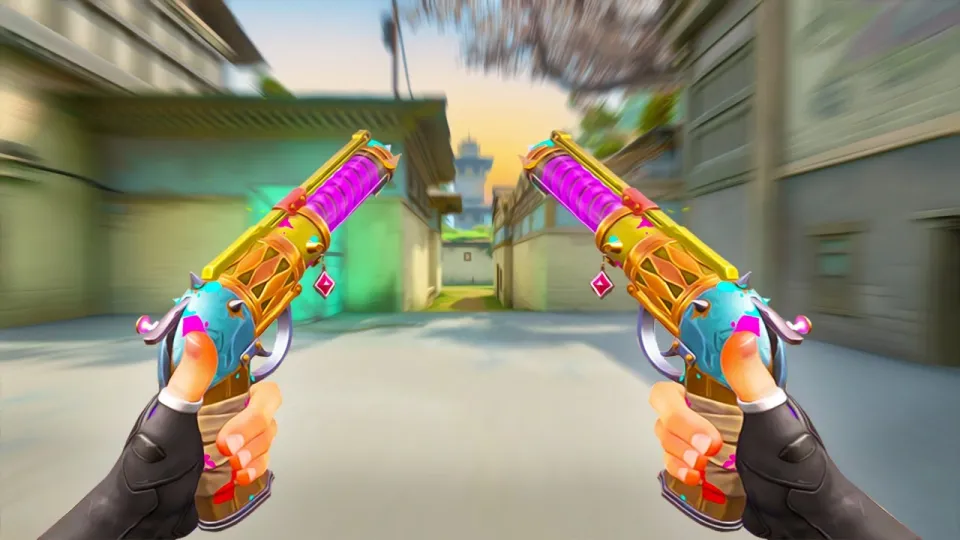
Video: 20 Minutes of Satisfying Valorant Clips
Want articles like this for your own video to promote it on YouTube and Google? Order them through the Telegram bot @sat_sit_bot. The bot writes and publishes the articles itself (with your YouTube video embedded) on popular topical websites (no ads). Your first 50 articles are free.
· based on the channel Rawzu
Valorant is a 5v5 tactical shooter where two teams of five fight over a spike, and playing like Rawzu means combining a stretched 1440x1080 resolution, 400 DPI with 0.625 sensitivity, and an aggressive Phoenix duelist style built on constant movement and first-contact confidence. The fastest way to copy that approach is to lock Phoenix, set up the same visual and sensitivity baseline, then drill wall-and-flash entries until the timing becomes automatic. You can watch Rawzu's daily streams on Kick to see the movement and crosshair placement live rather than in short clips.
What Valorant actually rewards in a Rawzu-style clip
Valorant rewards information denial and clean first contact more than raw flick speed, and Rawzu's clips show that principle in practice. Phoenix is an offensive duelist who specializes in hunting enemies down while crippling their ability to shoot back, which is exactly the profile that produces "satisfying" highlight reels. His kit does three jobs at once: Blaze creates a wall that blocks vision and deals damage, Curveball blinds enemies even when they hide behind corners, and Hot Hands plus Run it Back make him durable enough to take risky fights and still be alive for the next round. Treat the agent as a tool for forcing fights on your terms, not as a character you pick for the flash alone.
Setting up sensitivity, resolution and crosshair like Rawzu
Copying the mechanical baseline is the easiest part and it removes a lot of guesswork from your practice routine.
- Set your mouse to 400 DPI in its own software, then set in-game sensitivity to 0.625. That combination equals roughly 250 eDPI, a mid-low range that favors tracking and micro-adjustments over huge arm swings.
- Change your resolution to 1440x1080 stretched. This is a 4:3 aspect ratio stretched to a wider monitor, which makes enemy models appear wider and easier to hit, at the cost of reduced horizontal field of view.
- Match the crosshair style of 1-6-2-2: a compact, high-contrast reticle with visible gap and outline so it stays readable against bright Phoenix utility and dark Icebox corners.
- Keep the peripheral philosophy consistent: a lightweight mouse like the Lamzu Maya X and a control-speed hybrid pad such as the Zowie H-SR-SE 2 Blue give predictable stopping power for one-taps.
None of these settings make you good on their own, but they remove friction. If you change sensitivity every week, no amount of Phoenix practice will build the muscle memory that makes a Vandal one-tap look effortless.
Phoenix ability usage that turns rounds into clips
Phoenix's strength comes from chaining abilities so that each one covers the weakness of the last. Use Blaze not only to block sightlines but to cut a map in half: place it so your team can cross open ground on Lotus or Icebox while enemies cannot trade you from the far side. Follow the wall with Curveball thrown over or around the corner, because the flash curves and still blinds players who are holding from cover. Then commit with Hot Hands on the ground where you expect the fight, since the fire heals you while damaging anyone standing in it. Run it Back is the insurance policy: you can take a duel you would normally avoid, and if you die, you respawn at the cast point with full health, which lets your team keep the space you just created.
The order matters. Wall first to deny information, flash second to blind the anchor, fire third to heal through the trade, ultimate fourth when you need to break a stacked site. Players who flash before walling usually blind nobody and die to the second defender.
Movement, Vandal discipline and the habits behind satisfying clips
Rawzu's movement looks fast because it is deliberate, not random. The core habits are simple to list and hard to master:
- Counter-strafe before every shot. Tap the opposite key to kill momentum so your first bullet lands where the crosshair sits.
- Peek with intent. Wide-swing when you know the enemy is alone, shoulder-peek when you need information without committing.
- Keep the Vandal at head level while rotating. Most "insane aim" clips are just crosshair placement that was already correct before the enemy appeared.
- Use jump-peeks and short strafes to bait utility, then re-peek after the smoke or molly expires.
- Play off your own fire. Hot Hands gives you a healing zone, so fighting inside it turns a losing trade into a winning one.
A gunplay philosophy that treats the Vandal as a one-tap tool rather than a spray weapon changes how you take fights. You stop holding the trigger and start holding angles, and that is what makes a round look clean instead of lucky.
Common questions from viewers of satisfying Valorant clips
Viewers of highlight reels tend to ask the same things, and the answers are less mysterious than they look. The most frequent question is about sensitivity and DPI, which is why the 400 DPI / 0.625 baseline is worth testing for a full week before judging it. The second recurring theme is how teammates stay so supportive and communicative in these clips, and the honest answer is that aggressive duelists who trade well and call their utility earn that energy from their team. A third theme is disbelief that enemies seem to miss, which usually comes down to the duelist denying information with Blaze and Curveball before the fight starts. Finally, many players return after years away and ask whether the game still feels the same; the core loop of ability timing, crosshair placement and economy management has stayed intact, even as agents and maps were added.
Useful links from the Rawzu setup
- Daily live streams: https://kick.com/rawzu
- Original music on Spotify: https://open.spotify.com/artist/6DbATPR1PTNMx7U918bg1Q
- Community Discord: https://discord.gg/axnFwyvxp3
Final thoughts on building a satisfying Valorant style
The clips that look effortless are the product of a fixed sensitivity, a stretched resolution you never change, and hundreds of Phoenix entries where the wall, flash and fire all went out in the right order. Start with the 400 DPI and 0.625 sensitivity baseline, keep the 1440x1080 stretched setup for at least a month, and practice counter-strafing with the Vandal until first bullets land without correction. Then add Phoenix utility one layer at a time: wall, then flash, then fire, then ultimate. Rawzu's channel is a useful reference here, because the raw stream shows the failed entries and the economy decisions that highlight reels cut out. Watch a full session on Kick, pick one habit to copy, and drill it before adding the next one.
Key takeaways
- Rawzu runs 400 DPI with 0.625 in-game sensitivity, giving roughly 250 eDPI.
- His resolution is 1440x1080 stretched, a 4:3 setup that widens enemy models on screen.
- Crosshair code style: 1-6-2-2, paired with a Lamzu Maya X mouse and Zowie H-SR-SE 2 Blue pad.
- Phoenix's Blaze wall blocks vision and damages enemies, while Curveball blinds even around corners.
- Hot Hands heals Phoenix and Run it Back lets him respawn at his cast point, making aggressive duels cheaper.
Questions & answers
What sensitivity and DPI does Rawzu use in Valorant?
Rawzu runs 400 DPI on his mouse with an in-game sensitivity of 0.625, which works out to roughly 250 eDPI. That is a mid-low range suited to tracking and small corrections rather than large arm swings. Copy it exactly, then leave it alone for at least a week so muscle memory can form.
Why do streamers use 1440x1080 stretched resolution?
A 1440x1080 stretched resolution takes a 4:3 image and stretches it across a wider monitor, making enemy models appear wider and easier to hit. The trade-off is a narrower horizontal field of view, so you see less to your sides. It is a preference, not a requirement, but it does make targets feel larger.
Is Phoenix a good agent for aggressive players?
Yes. Phoenix is an offensive duelist built around hunting enemies while limiting their ability to shoot back. Blaze blocks vision and deals damage, Curveball blinds around corners, and Hot Hands plus Run it Back make him durable enough to take risky fights. Players who like first contact and fast entries get the most out of him.
How do I make my Valorant gameplay look as clean as highlight clips?
Focus on crosshair placement and counter-strafing rather than flick speed, since most clean kills come from a crosshair that was already at head level. Chain Phoenix utility in order: wall to deny information, flash to blind the anchor, fire to heal through the trade. Then review your own stream or recordings to find the rounds where you peeked without a plan.
Source: 20 Minutes of Satisfying Valorant Clips · Markdown version